Bigfoot Mountain Fishing Tumbler Review
I have spent years reviewing design assets for my own shop and for clients, so I approach every new file with a mix of excitement and skepticism. When Bigfoot Mountain Fishing Tumbler landed in my inbox, I didn't just see a graphic; I saw a potential centerpiece for a holiday gift line or a quirky addition to a craft fair booth. As an experienced designer, my first job is to strip away the marketing fluff and ask: does this actually work when it goes under the needle? This review breaks down exactly how this design performs in real-world scenarios, from personal gifts to commercial merchandise.
First Impressions and Visual Personality
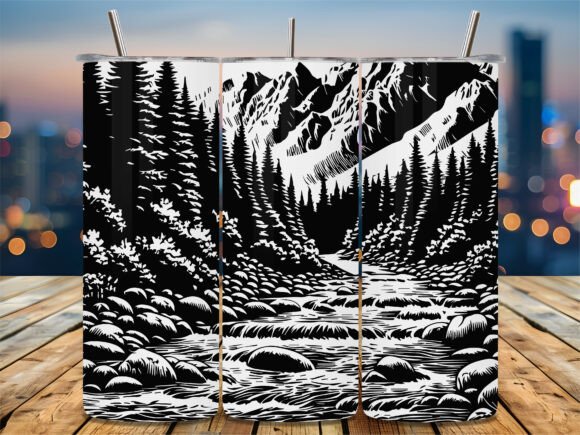
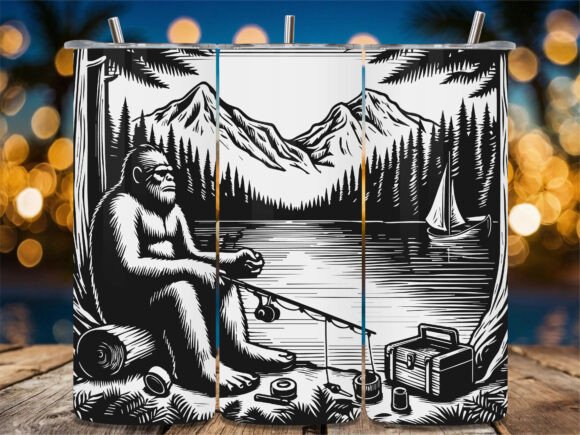
The moment you open the file for Bigfoot Mountain Fishing Tumbler, the mood is immediately established. It captures that specific blend of rugged outdoor adventure and whimsical folklore that resonates so well with modern makers. The layout feels balanced, suggesting a scene where a mountainous backdrop meets a serene fishing spot, all anchored by the legendary creature itself. For a machine embroidery design, the visual hierarchy is crucial, and this one delivers.
It doesn't feel like a generic clip-art collection slapped together. Instead, the lines suggest depth and texture, which translates beautifully into stitch work. Whether you are planning a tote bag design or a sweatshirt embroidery project, the composition allows for a clear focal point without overwhelming the garment. The theme naturally belongs in categories like outdoorsy apparel, cabin decor, or unique personalized gift items. It has a distinct personality that tells a story before a single stitch is placed.
Real-World Application Scenarios
Let's imagine a practical scenario. You are preparing inventory for the upcoming fall season. You want to create a limited run of custom aprons for a local coffee shop that specializes in hiking gear, or perhaps a batch of embroidered patches for a camping club. Bigfoot Mountain Fishing Tumbler fits these contexts perfectly. The design's narrative quality adds value to the finished product, making it more than just a logo—it becomes a conversation starter.
I also envision this working exceptionally well on baby clothes or nursery decor for parents who love the outdoors. A soft onesie featuring this motif would be a hit at a boutique. Furthermore, for Etsy sellers and small business owners, this design offers versatility. It can be adapted for holiday embroidery projects, wedding favors for couples who met while fishing, or even as a decorative element on pillow covers and kitchen towels. The design acts as a strong anchor for your brand identity, ensuring that whether it appears on a custom apparel item or a digital mockup, it maintains its integrity.
Performance on Different Fabrics and Surfaces
When evaluating any embroidery file, the fabric choice is paramount. This design shines on stable, medium-weight fabrics like canvas, denim, and cotton twill. These materials provide the necessary foundation for the detail work required by the mountain and Bigfoot elements. If you are creating a handmade product like a sturdy tote bag, the design will hold up well against daily wear.
However, there are nuances to consider. On textured fabrics like heavy fleece or bouclé, the finer details might get lost in the weave. While the overall shape will remain visible, the intricate stitching that gives the mountains their character could struggle to register clearly. Similarly, if you plan to use this on a stretchy knit fabric, you must ensure you are using the correct stabilizer to prevent puckering, which can distort the seamless nature of the wrap design.
For curved surfaces like caps or hats, the design requires careful digitizing adjustments. While the concept works, standard flat-hoop embroidery machines might struggle with the curvature unless the file is specifically optimized for 3D embroidery. If you are producing embroidered patches, this design offers great potential, provided the edge finishing is clean to prevent fraying during frequent washing.
Where to Exercise Caution
- Small Hoop Sizes: If you attempt to stitch this on a very small hoop, such as those used for socks or tiny baby accessories, the detail level may become too dense, leading to thread breakage or a muddy appearance.
- Dense Stitch Areas: The fill stitches in the background need adequate spacing. If the stitch density is too high, the fabric may pucker, especially on thin materials.
- Dark Fabric: While dark backgrounds can look dramatic, ensure your thread color palette provides enough contrast. Lighter threads might not pop sufficiently against black or navy fabrics without multiple passes.
- Frequent Washing: For items like kitchen towels or aprons that undergo rigorous laundering, inspect the stitch density closely. Loose edges can catch on zippers or other items in the wash.
Impact on Product Value and Brand Trust
In the world of craft business and commercial embroidery, the quality of the finish directly impacts customer trust. A well-executed finished product made with Bigfoot Mountain Fishing Tumbler signals professionalism. Customers notice when the lines are crisp and the colors are vibrant. This design elevates the perceived value of your item, allowing you to price your goods appropriately for the effort and quality involved.
Furthermore, the unique theme helps with recognition. In a saturated market of generic designs, having a distinct asset like this sets your small shop product apart. It creates a cohesive look across your design assets, whether you are selling physical goods or offering printable mockups for clients to visualize their own branding. The design fosters a sense of community among buyers who appreciate the outdoors, driving engagement and repeat sales.
Practical Designer Notes Before You Stitch
Before you commit to a full production run, follow these essential steps to ensure success. First and foremost, always test the design on scrap fabric that matches your final material. This allows you to check the thread colors and adjust the tension if necessary. Review the stitch density within the software; if areas look overly crowded, consider simplifying them slightly to improve durability.
Confirm your hoop size requirements. If the design is intended for a full-wrap tumbler but you are adapting it for a garment, you may need to resize or re-digitize sections to fit the available space. Inspect small details like facial features or foliage to ensure they won't disappear during the stitching process. It is also wise to test the design in black and white mockups to verify that the contrast holds up without relying solely on color.
Don't forget to check the licensing terms. Are you allowed to sell finished items made with this design? Do you need a commercial license for digital embroidery files? Confirming these details protects your creative entrepreneur status and ensures you stay compliant. Finally, use proper stabilizer. A good foundation is half the battle in achieving a professional result.
Ultimately, Bigfoot Mountain Fishing Tumbler is more than just a graphic in the Crafts and Graphics category; it is a versatile tool for storytellers and makers. With the right preparation and attention to detail, it can transform simple materials into cherished keepsakes or profitable merchandise. Whether you are a hobbyist looking to make a special gift or a seasoned pro expanding your catalog, this design offers a solid foundation for your next creative endeavor.